
With less than four months remaining before the official launch of the e-invoicing mandate, timelines are tightening. The pilot phase led by DGFiP and AIFE is underway, and all concerned companies and Accredited Platforms are now fully focused on implementing the reform.
The e-invoicing mandate will enter its first phase on September 1, 2026:
- Large companies (> 250 employees, and > €50M revenue or > €43M balance sheet total):
- Will have to be able to issue and receive electronic invoices for domestic B2B transactions
- Will have to transmit e-reporting data to the PPF (DGFiP platform) for B2C & international B2B transactions
- Small companies:
- Will have to be able to receive electronic invoices for domestic B2B transactions
Publication of External Specifications v3.2
Although the French mandate is complex, the French authorities ensure the publication of comprehensive official resources [↗︎] to guide companies and service providers.
One of the most important documents is the “External Specifications”, which describe how Accredited Platforms should interact with the reform’s systems: the PPF (for domestic B2B transactions and for e-reporting) and Chorus Pro (for all transactions involving public entities).
In their latest version (v3.2), published on April 30, 2026, the main changes focus largely on the Chorus Pro platform and the public sector, with the aim of clarifying how B2G, G2B, and G2G transactions should be processed, as well as the differences that will remain between Chorus Pro and PPF.
Among other changes, External Specifications v3.2 also introduce the concept of aggregating (“lotting”) flows submitted to the PPF. This new mechanism is designed to ensure that the PPF is not overloaded and can handle the expected high traffic volumes. However, it will have a significant impact on Accredited Platforms, which will no longer be allowed to submit individual documents to the PPF and will instead need to aggregate submissions on an hourly basis, while respecting defined size and volume thresholds.
Download the External Specifications v3.2 [↗︎]
In addition to the External Specifications, the AFNOR standards (XP Z12-012, -013, -014) are essential for defining the content, formats, and profiles of all documents related to the mandate (invoices, lifecycle statuses, and e-reporting), as well as the handling of the nominal case, error cases, and 44 specific use cases. These AFNOR standards are expected to be updated once again, by the end of May, including additional use cases linked to specific business sectors (such as agriculture and the food industry), in what will likely be their final version before the mandate goes live.
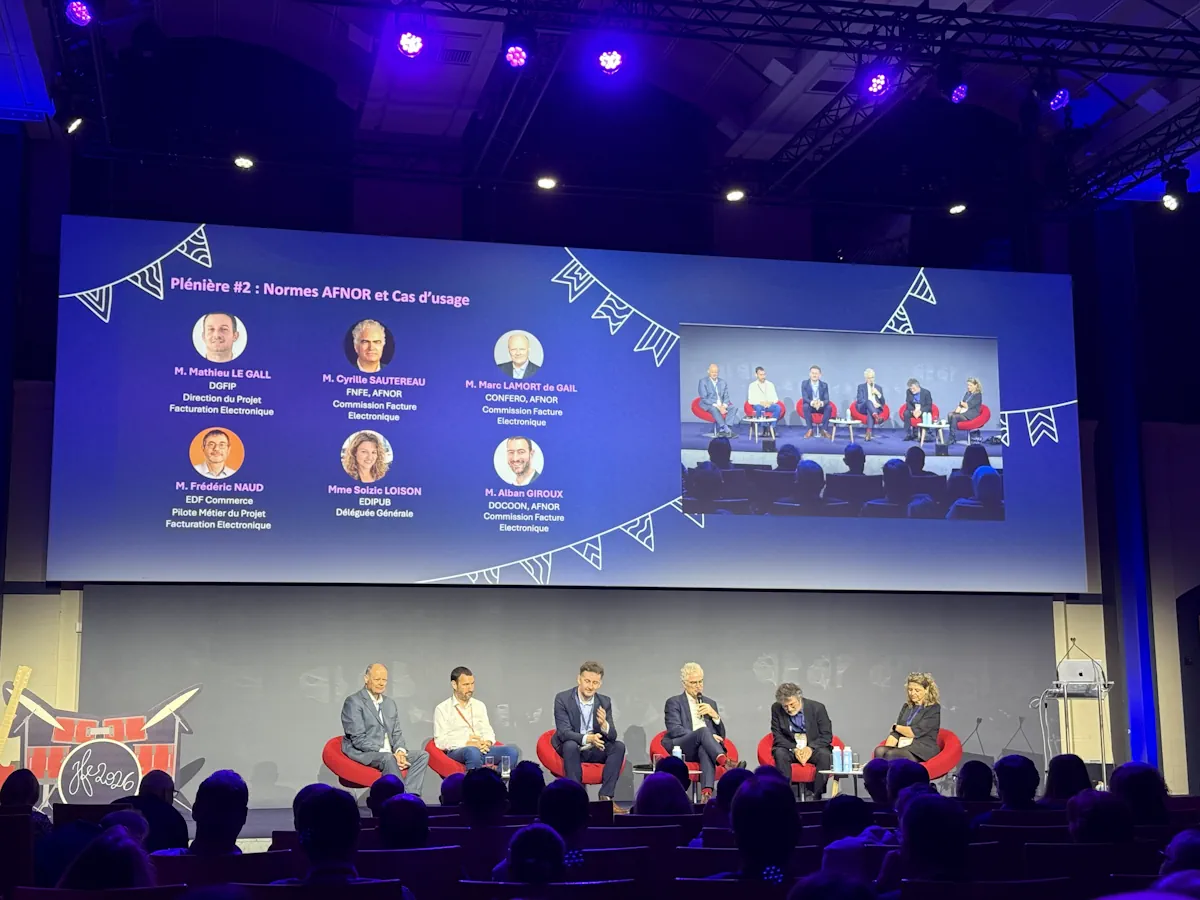
JFE 2026 conference
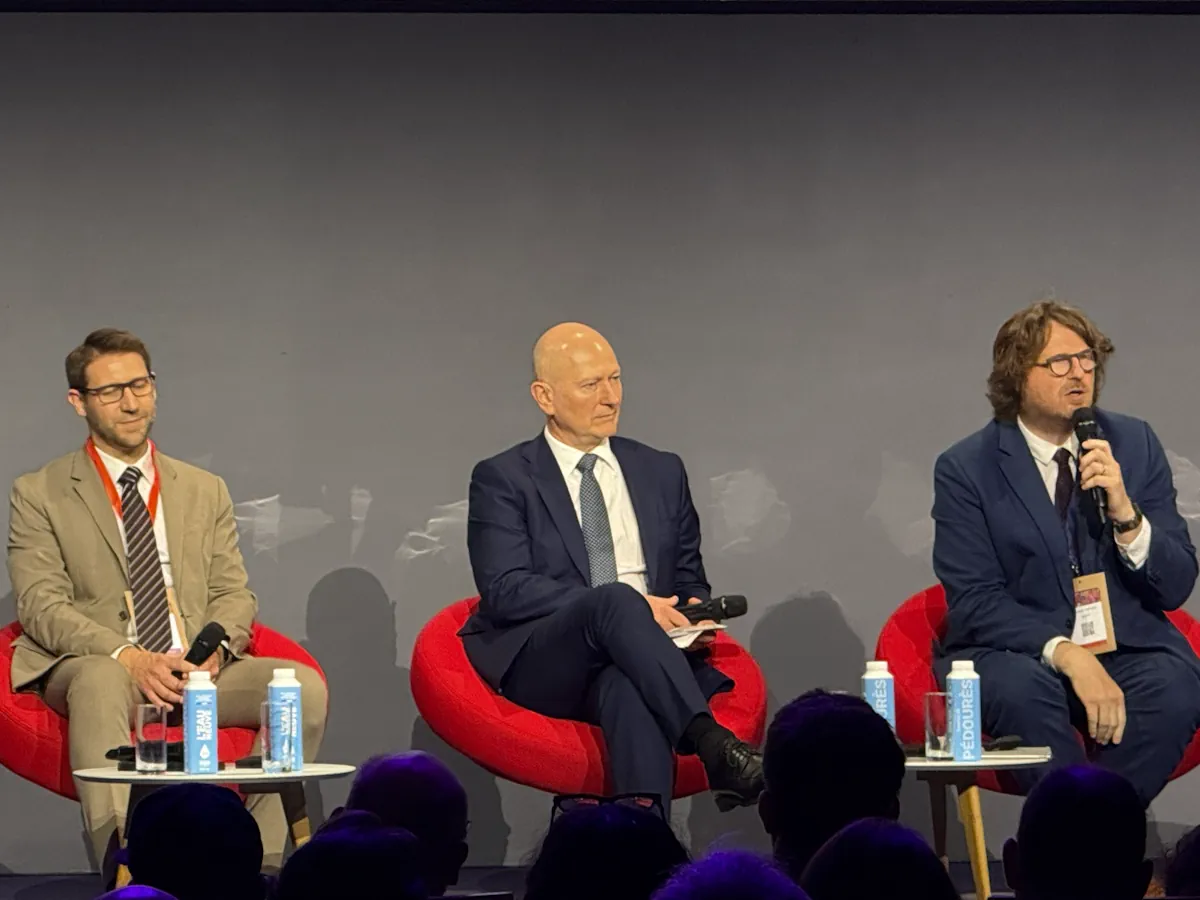
Like in previous years, the 2026 “Journées de la Facture Électronique” (Electronic Invoice Days), organised by the FNFE, took place in Paris. The event gathered thousands of participants, including private companies, Accredited Platforms, Compatible Solutions, and tax authority representatives, through a series of key conferences, round tables, workshops and networking sessions.
As the largest e-invoicing event in France, it was an opportunity for the DGFiP and AIFE to publicly and strongly reaffirm their stance: the French e-invoicing mandate will not be postponed.
Several issues still remain ahead of go-live, including limited participation in the pilot phase and the late availability of some key platform features within the PPF and Chorus Pro ecosystems. In response, the DGFiP and AIFE announced a firmer stance toward Accredited Platforms that are not actively participating in the pilot. Their position is clear: if a Platform has obtained Accreditation, it should therefore take part in the pilot phase.
Additionally, the authorities reassured stakeholders that the first months of the mandate will focus more on support than on sanctions. The government is encouraging participants to adopt a “trial and error” approach, accepting mistakes rather than inaction.
Among the other key takeaways shared, participants learned that the current Chorus Pro connection method for B2G transactions (in place since 2017) will remain operational until 2030 before being fully replaced by the new system introduced alongside the 2026 reform. In addition, VAT return pre-filling based on data transmitted to the PPF (one of the key pillars of the reform’s “simplification” objective) is now expected to go live no earlier than 2029.
Beyond these points, no major new announcements were made this year, which is unsurprising so close to the deadline. The roadmap remains unchanged: the reform will proceed as planned, with no delay, and companies that are not yet ready are being urged to accelerate their implementation efforts. The time for preparation is over, the time for execution has begun.
Learn more about the upcoming French e-invoicing mandate in our France country profile.