Skip to content

E-Invoicing Reform in France: A Webinar with Two DGFiP Officials on Obligations and Deadlines

Content language

Related country

Content type

Published by

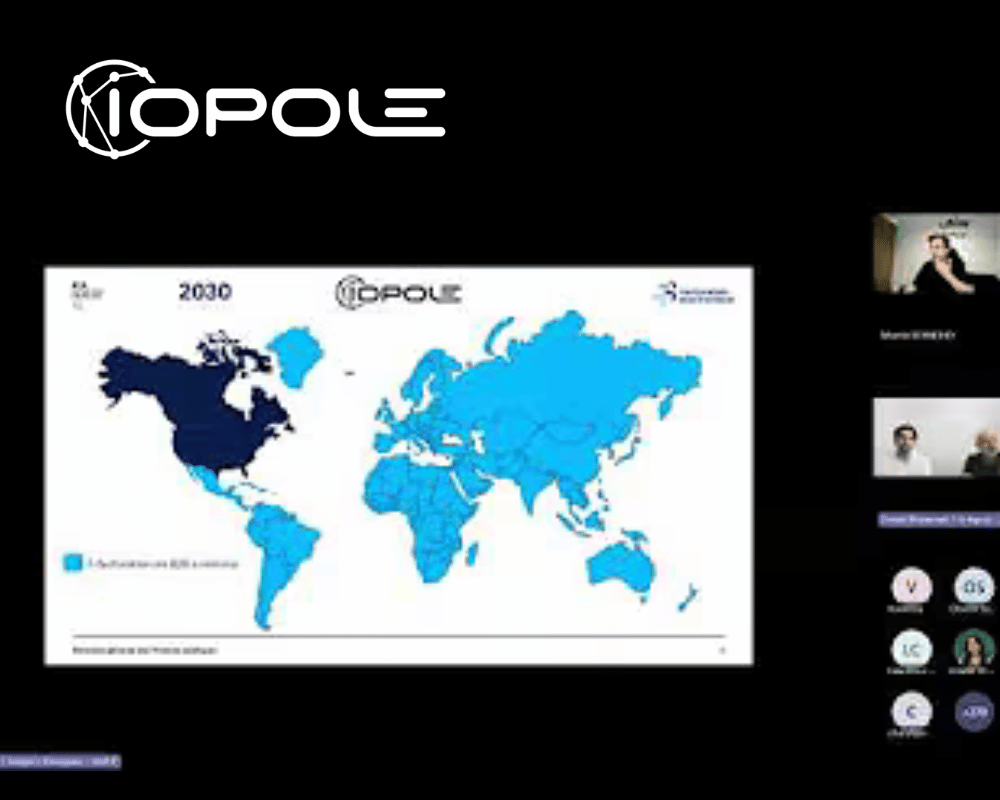
An Iopole webinar with two DGFiP officials closely explaining France's 2026 e-invoicing obligations, deadlines, and exemptions.
View / Download

Description

This webinar, organized by Iopole, features two officials from the French tax administration (DGFiP) presenting the regulatory framework of France’s 2026 electronic invoicing reform directly to software editors and their end clients.

Iopole’s marketing director opens the session with a short introduction to Iopole’s role as a pure-player Approved Platform (Plateforme Agréée), working exclusively through software editors rather than end businesses, via white-label and Solution Compatible integrations. The DGFiP then takes over for the core of the session, covering: the three retained invoice formats (UBL, CII, Factur-X), the reform’s calendar (mandatory reception from 1 September 2026 for all businesses, emission from the same date for large companies and ETIs, and from 1 September 2027 for SMEs and micro-businesses), the notion of VAT-liable entity (“assujetti”) and the activities exempted from the obligation, and the distinction between the three components of the reform: domestic B2B e-invoicing, transaction e-reporting (international B2B and B2C operations), and payment e-reporting for cash-basis VAT services.

The session also addresses how businesses choose an Approved Platform, the role of the national directory (annuaire) matching SIREN numbers to platforms, invoice lifecycle statuses, applicable sanctions for non-compliance, and practical use cases (expense receipts, tolls, fuel, restaurant invoices). It closes with a live Q&A covering real-world situations raised by software editors and their clients.

A useful session for anyone who wants the regulatory framework explained directly by the French tax administration, alongside the practical implications for software editors and their end clients.

About the Author

IOPOLE’s API-first Iopole e-Invoicing Hub enables software vendors to deliver compliant e-invoicing and e-reporting across France and internationally, trusted by 150+ integrations and processing 150M+ documents yearly.

Through the Iopole e-Invoicing Hub, applications connect via API to Peppol-certified networks and French tax authorities, ensuring seamless regulatory compliance across domestic and international flows.
Since 2022, IOPOLE has become the trusted partner for 150+ software integrations, processing 150+ million B2B2B documents annually on a SecNumCloud sovereign infrastructure with 99.9% SLA.

As a pure-player in e-invoicing, IOPOLE focuses exclusively on infrastructure, compliance updates, and scalable technical support, allowing software vendors to expand their services quickly without competing with their core solutions. Optional 10-year legal archiving ensures secure, long-term compliance and audit readiness.

Showcase your products
Be visible to qualified professionnals
Position yourself as an e-invoicing leader

The Invoicing Hub Logo - White transparent no text

More Resources about Peppol

A technical guide for software editors on e-reporting and the Flux 10 format under France's 2026 national e-invoicing reform.

The Invoicing Hub
experts can help you

Strategy, Guidance, Training, …

The Invoicing Hub Logo - White transparent no text

Latest News

Vidhana Soudha government building in Bengaluru, Karnataka, India.

India expands e-invoicing requirements from January 2027

India expands its e-invoicing mandate to cover additional transaction types from January 2027, without changing its scope criteria.

Denmark clarifies and introduces new digital accounting requirements

Denmark keeps encouraging e-invoicing adoption through NemHandel while clarifying the requirements for registered digital accounting systems

UK publishes the roadmap to its 2029 e-invoicing mandate

The UK details its e-invoicing roadmap, clarifying the mandate’s scope and timeline, while key technical requirements remain pending.

A busy October ahead of Slovakia’s 2027 e-invoicing mandate

October brings new eFaktĂșra guidance, Peppol updates and further progress on August’s legislative simplification proposals

UAE authorities release minor electronic invoicing amendments

The UAE amends and clarifies some e-invoicing requirements, easing compliance & implementation for businesses ahead of the 2027 rollout.