Skip to content

Advertisement

Basware Logo - Color transparent
Basware is how the best finance teams gain complete control of every invoice, every time. Our Intelligent Invoice Lifecycle Management Platform ensures efficiency, compliance and control for all invoice transactions.

Guidelines on B2B mandate in Germany published

/‎

/‎

/‎

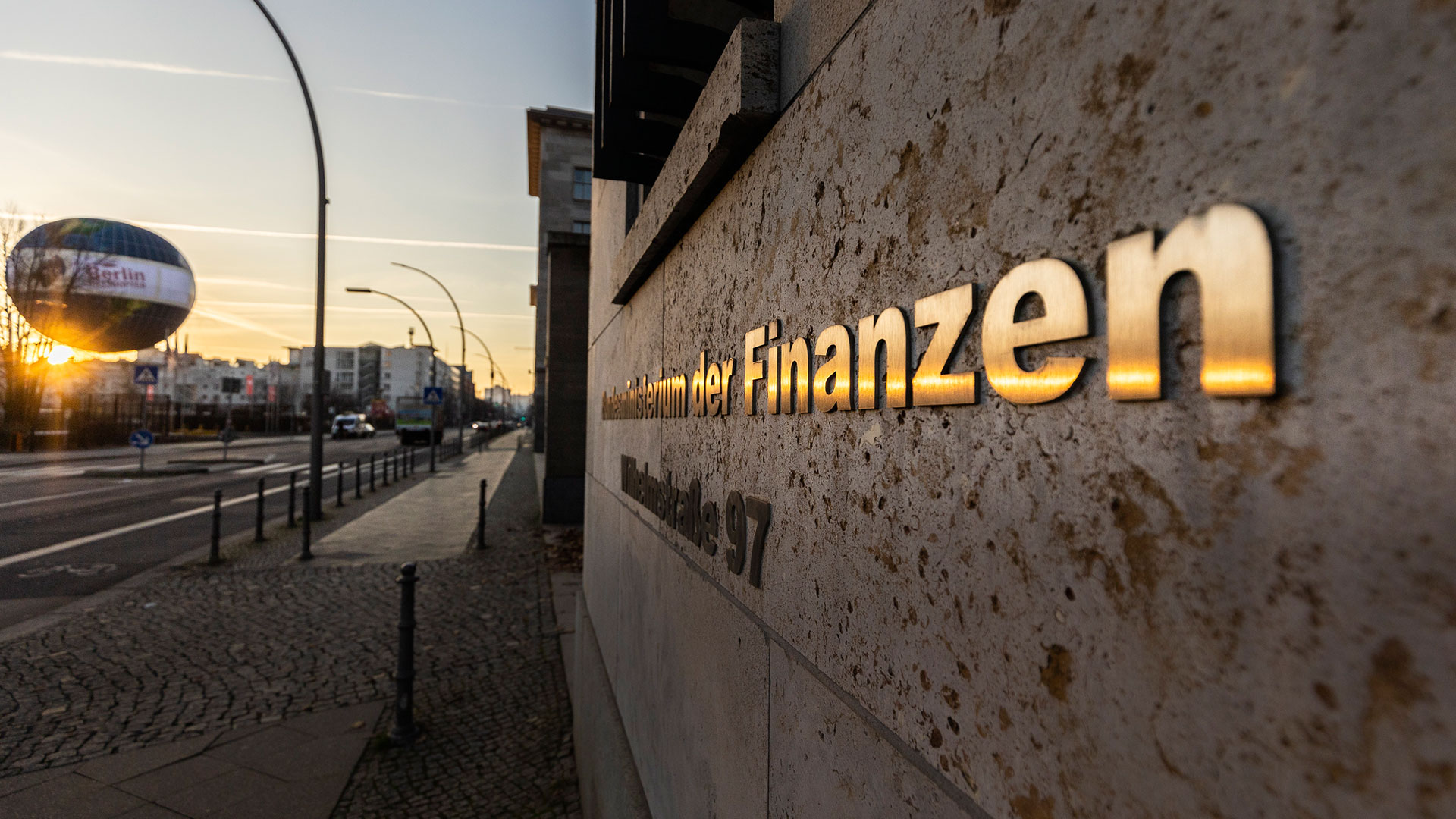
On 15.10.2024, the Federal Ministry of Finance (“BMF”) published official guidelines for the upcoming e-Invoicing mandate, confirming its hands-off approach while hinting at future definitions of transmission channels in the context of tax reporting.

The BMF makes true on their promise to keep the public informed. They published their view on how to interpret the general mandate to use e-Invoices (“e-Rechnung”). The Growth Opportunity Act (“Wachstumschancengesetz”) introduced the obligation in March 2024, taking effect starting from 1.1.2025. The finalized letter (DOK 2024/0883282) posted on the official BMF website supersedes the draft published mid-June, which is not available on the website anymore. The BMF has asked for, received and considered numerous comments. The ministry used the input in the past 4 months to update the guidelines, thus continuing its collaborative and inclusive conduct.

Key Take-Aways

In summary, the final letter broadly confirms the approach taken in the draft adding a few clarifications and details. Key take-aways include that

  • the future tax reporting system will require a new definition of valid transmission channels as the BMF expects e-invoicing platforms to be prevalent (Rn41)
  • “readability” is defined as the technical readability of the structured representation of the invoice, as it’s the only binding portion and its standardization allows to create a standardized human-readable visualization in the future anyways (Rn6)

Taken together, usage of E-Mail-based transmission and/or hybrid formats seem to be considered as a transitional approach. In the future, these options may remain valid but mostly serve to pave the way for more robust and efficient implementations.

Differences in Detail

The Invoicing Hub previously analyzed the draft letter in detail already. The differences in the final version, on a more detailed level, include

  • the clarification that an invoice issuer may use the existence of a VAT ID (“USt-IdNr”) or future Economic ID (“W-IdNr”) as an indicator of the “business” status of the recipient (thus falling under the obligation to issue an e-invoice),
  • mentioning the option to issue e-invoices even below 250€ total, as long as the recipient does not object
  • adding “Peppol BIS Billing” as a valid example format for domestic e-invoices
  • while re-iterating that agreement on the actual (valid) format used is a decision between the parties
  • emphasizing that input tax deduction in hybrid formats prefers the structured data over the visual representation
  • the judicial option to request a valid e-invoice in case of receiving a non-compliant invoice

Conclusion

All in all the finalized letter puts the electronic invoice into a strong position. The BMF confirms its focus on establishing a legal framework only. In doing so, it puts responsibility to pick practical implementation choices on the economic operators themselves. As such, the “lean state” leaves the freedom to choose to those concerned.

At the same time, the letter announces the need of new regulations with the upcoming tax reporting mandate. The continued emphasis on the structured representation reaffirms the need to produce high-quality invoice data. This combination leads to truly digital invoicing implementation – at least to satisfy accounting and tax reporting requirements across the board.


Country Profile

Country regulation overview, resources, technical details, timeline, and more

Get your Project Implemented

Gold Sponsor

Basware Logo - Color transparent
Basware is how the world’s best finance teams gain complete control of every invoice, every time. Our Intelligent Invoice Lifecycle Management Platform ensures end-to-end efficiency, compliance and control for all invoice transactions.

Powered by the world’s most sophisticated invoice-centric AI – trained on over 2 billion invoices – Basware's Intelligent Automation drives ROI by transforming finance operations. We serve 6,500+ customers globally and are trusted by industry leaders including DHL, Heineken and Sony. Fueled by 40 years of specialized expertise with $10+ trillion in total spend handled, we are pioneering the next era of finance.

With Basware, now it all just happens.

Silver Sponsors

Symtrax Logo - Color transparent
Symtrax delivers solutions that streamline AP and AR processing, ensure compliance, and integrate seamlessly with the ERP systems of mid-sized and large companies.
Traffiqx logo - Color transparent
TRAFFIQX® is a network of independent providers that serve different core segments to make digitalization usable for every company. These providers are: Bundesdruckerei, DATEV, RICOH, SGH, Quadient, Asterion, BeCloud and b4value.net.
Contact us to learn about our sponsorship plans
IDC – Indicom eDocument Care Spa Logo
IDC designs and develops innovative solutions and outsourced services to optimize information management. The goal is to be protagonists of the digital transformation of companies' internal processes.

Advertisement

Basware Logo - Color transparent
Basware is how the best finance teams gain complete control of every invoice, every time. Our Intelligent Invoice Lifecycle Management Platform ensures efficiency, compliance and control for all invoice transactions.

Country Profile

Country regulation overview, resources, technical details, timeline, and more

Latest News

View of the skyline of Manilla, capital of The Philippines

E-invoicing in the Philippines from January 2027: The Complete Guide

The Philippines will require structured e-invoicing for large taxpayers and e-commerce businesses from January 2027.

EN 16931 update: the next step in e-invoicing is on its way

With the EU shifting from public e-invoicing mandates to full B2B, the EN 16931-1 update will arrive mid-2026 to raise compliance standards.

(Postponed to November) E-Invoicing Exchange Summit Middle East 2026

As e-invoicing accelerates across the Middle East, industry experts will gather in Dubai this spring for the Exchange Summit.

Singapore InvoiceNow to become mandatory for all GST-registered businesses by 2031

Further to the current implementation timeline, all remaining GST-registered businesses will be required to submit e-invoices.

The French e-invoicing pilot begins, alongside updates to AFNOR standards

Six months before phase one of the French mandate, the pilot lets businesses, platforms and tax authorities test and prepare their systems.